
Why Monsteras Are Beloved Houseplants
Monsteras — particularly Monstera deliciosa — have become one of the most sought-after indoor plants in recent years. With their iconic split and hole-patterned leaves (fenestrations), vibrant green foliage, and architectural presence, Monsteras add life and dimension to any interior setting.
However, thriving Monsteras aren’t just about appearance. They have distinct care needs. Understanding how to meet those needs — from watering to light, soil to pruning — is the key to transforming a healthy plant into a stunning Monstera with beautifully fenestrated leaves.
In this guide, you will learn how to choose the appropriate care routines, troubleshoot common issues, and foster optimal conditions for lush, vibrant Monstera growth.
Understanding Monstera Basics
Before diving into specific care instructions, it’s important to know what makes Monsteras unique.
1. Origins and Natural Habitat
Monsteras are native to the tropical rainforests of Central and South America. In the wild, they climb trees using aerial roots, reaching high into the canopy to capture filtered light. This environment shapes many of their care preferences — including humidity, light, and support structures.
2. What Are Fenestrations (and Why Do They Happen)?
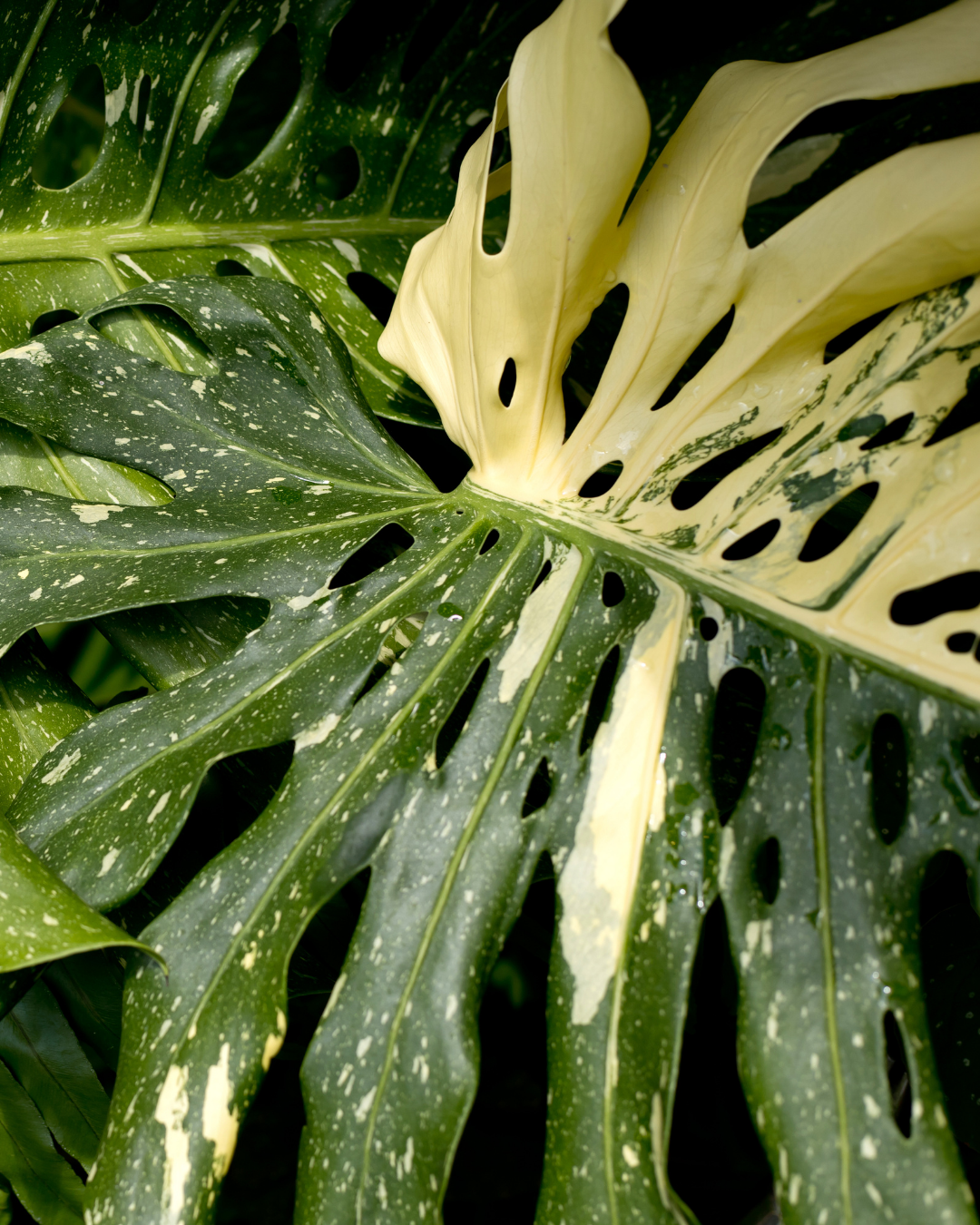
Fenestrations refer to the split and hole patterns on mature Monstera leaves. Scientists believe these features help:
- Maximize light exposure through broken forest light
- Reduce wind resistance
- Capture rainwater more efficiently
Young plants may not show fenestrations — this is normal. Larger, mature leaves grow them when conditions are optimal.
Light: The Cornerstone of Monstera Health
What Type of Light Does a Monstera Need?
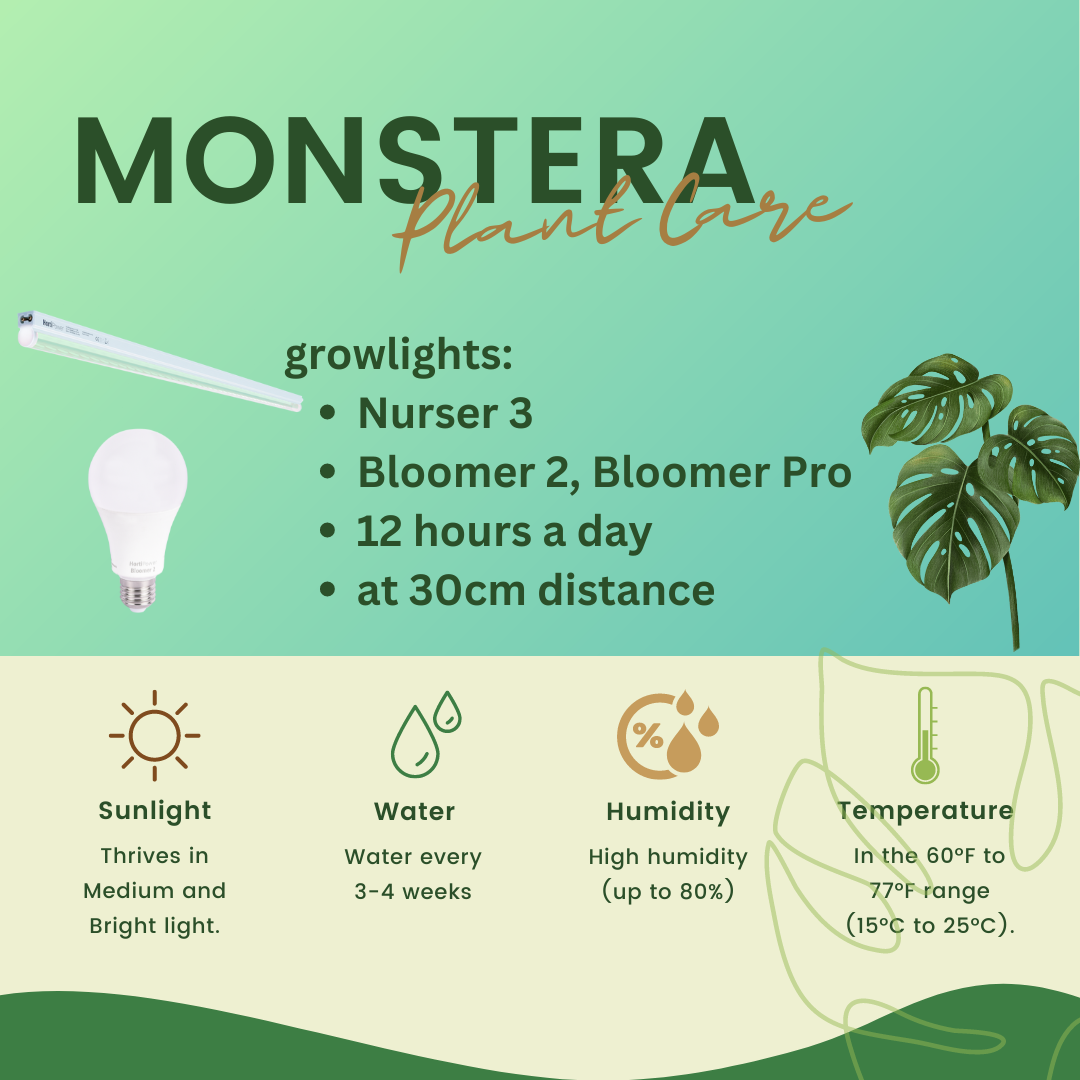
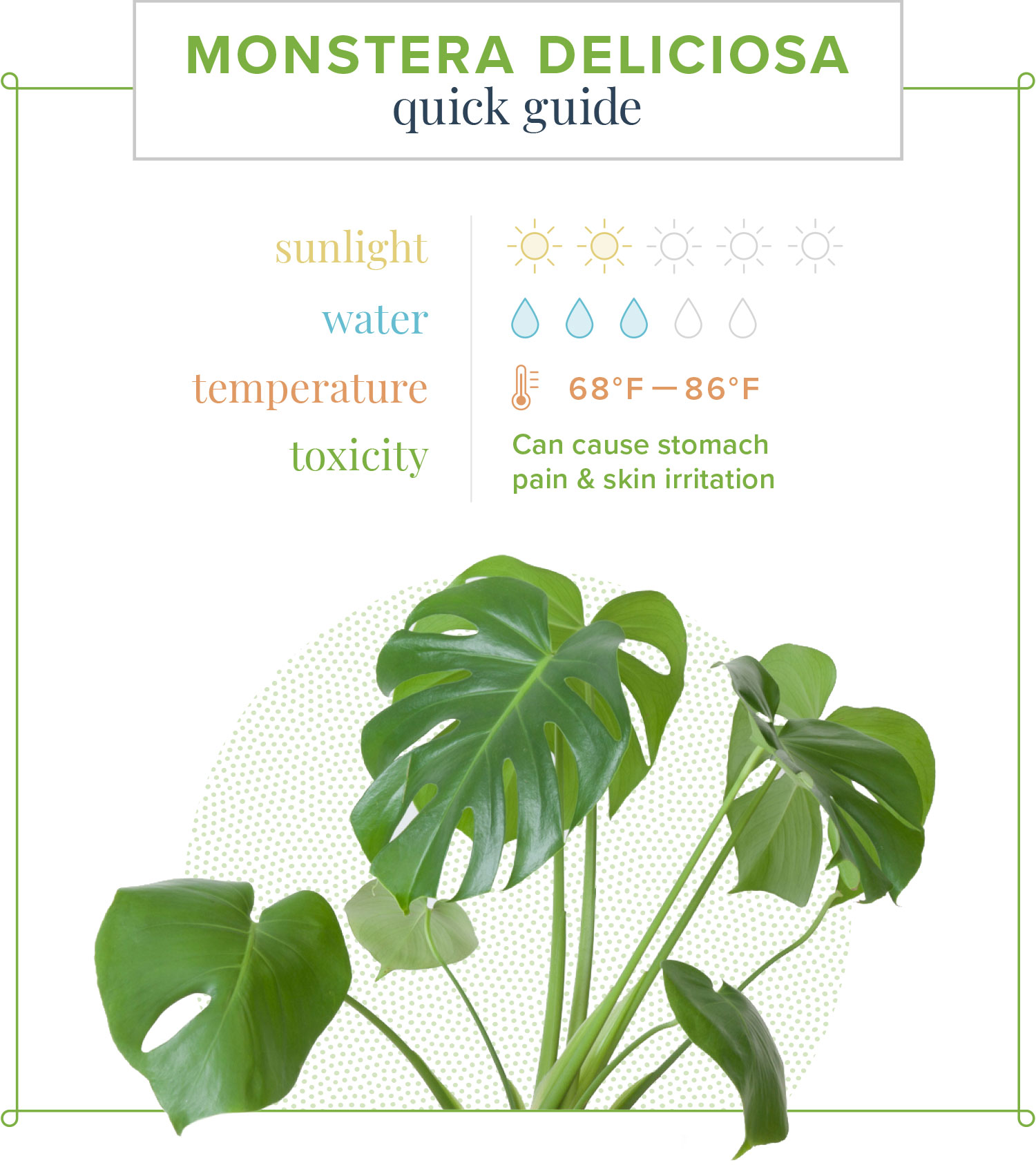
Monsteras thrive in bright, indirect light. Too little light results in leggy stems and minimal fenestration. Too much direct sun can scorch their leaves.
Ideal window positions:
- East-facing — excellent morning light
- North-facing — bright but gentle
- Filtered south or west light — acceptable with curtains/blinds
💡 Tip: If shadows near the plant are sharp, the light may be too intense.
Signs of Light Stress
| Issue | Likely Light Problem |
|---|---|
| Pale, elongated stems | Not enough light |
| Brown patches on leaves | Too much direct sun |
| Small new leaves | Insufficient light intensity |
Watering: How Much Is Too Much?
Watering is one of the most common challenges for Monstera owners. The mantra to remember is:
Water deeply, then allow the top soil to dry slightly before watering again.
Watering Checklist
- Use room-temperature water
- Water until it exits the drainage holes
- Empty excess water from trays or saucers
- Avoid soggy soil — Monsteras hate “wet feet”
Signs of Overwatering vs Underwatering
| Symptom | Likely Cause |
|---|---|
| Yellowing leaves | Overwatering |
| Mushy base, rotten roots | Severe overwatering |
| Crispy brown leaf edges | Underwatering |
| Slow growth | Inconsistent watering |
Humidity: Emulating the Tropics
Monsteras prefer humidity levels between 60–80%, similar to their rainforest origins. In dry indoor winter air, increase humidity by:
- Using a humidifier near the plant
- Misting leaves lightly
- Placing a water tray with pebbles beneath the pot
While Monsteras can adapt to average home humidity, higher humidity promotes larger leaves and robust fenestration.
Soil and Potting: The Right Foundation
Monsteras thrive in well-draining soil mixes that retain moisture without becoming waterlogged.
Ideal Soil Composition
A balanced mix of:
- Peat moss or coco coir (for moisture)
- Perlite (for aeration)
- Orchid bark (for structure)
This blend ensures roots have oxygen and drainage, while still holding enough water to keep the plant happy.
Choosing the Right Pot
- Use a pot with drainage holes
- Choose a pot size that allows root growth — not too big, not too small
- Avoid constantly water-retaining saucers
💡 Pro tip: Terra cotta pots help excess moisture evaporate, reducing overwatering risk.
Fertilization: Feed for Fenestrations
During the growing season (spring–summer), Monsteras benefit from balanced liquid fertilizer every 4–6 weeks.
Fertilizer Tips
- Use a fertilizer with an N-P-K ratio like 10-10-10 or 20-20-20
- Dilute to half the recommended strength to prevent fertilizer burn
- Avoid fertilizing in winter when growth naturally slows
Fertilized Monsteras often produce larger, more vibrant foliage with healthy fenestrations.
Pruning and Training for Shape and Size
Pruning keeps your Monstera attractive, balanced, and encourages new growth.
When to Prune
- When stems become too long or leggy
- To remove yellowing or damaged leaves
- To encourage branching and fullness
How to Prune
- Use clean, sharp shears
- Cut just above a node (a small bump where leaves or aerial roots emerge)
- Seal cuts with cinnamon or fungicidal powder (optional)
Monsteras can also benefit from staking or climbing support — such as a moss pole — which allows the plant to mimic its natural growth habit and often increases leaf size and fenestration.
Repotting: When and How
Repotting is essential for healthy Monsteras, usually once every 1–2 years.
Signs Your Monstera Needs Repotting
- Roots peeking from drainage holes
- Slowed growth despite good care
- Soil dries out unusually fast after watering
Repotting Steps
- Choose a pot ~2 inches larger in diameter
- Gently remove the plant from its current pot
- Loosen the root ball lightly
- Place in new pot with fresh mix
- Water thoroughly
Avoid repotting during winter dormancy; spring and summer are best.
Propagation: Growing New Plants from Cuttings
One of the joys of owning a Monstera is propagation — growing new plants from cuttings.
Propagation Methods
Water Propagation
- Cut just below a node
- Place in clean water
- Change water weekly
- Wait for roots before planting in soil
Soil Propagation
- Place cutting directly into moist, well-draining soil
- Keep consistently warm & humid
Both methods can yield successful results. Water propagation lets you see roots develop, while soil propagation often results in faster establishment once potted.
Common Problems and How to Fix Them
Here are common issues Monstera growers encounter — and how to address them:
1. Brown Leaf Tips
- Often caused by low humidity or inconsistent watering
- Remedy: Increase humidity, water consistently
2. Yellow Leaves
- Usually a sign of overwatering
- Remedy: Improve drainage, reduce watering frequency
3. No New Growth
- Light may be insufficient
- Remedy: Move closer to bright, indirect light source
4. Small or Missing Fenestrations
- Young plants display this naturally
- Older plants may need more light or nutrients
- Remedy: Increase light intensity and fertilization
5. Pest Infestations
Common pests include spider mites, aphids, and scale.
Treatment Tips:
- Wipe leaves with mild soapy water
- Use neem oil or horticultural oil sprays
- Isolate affected plant to prevent spread
Advanced Care Tips for Stunning Foliage
If you want exceptional Monstera leaves and fenestrations, focus on these elements:
1. Maintain Stable Conditions
Consistency in light, water, and humidity prevents stress and encourages foliage development.
2. Warm Temperatures
Monsteras thrive between 18–29°C (65–85°F). Avoid sudden drafts or cold spots.
3. Strategic Staking
Using a moss pole allows Monsteras to climb, mimicking their natural growth and often prompting larger leaves.
4. Leaf Cleaning
Dust off leaves regularly with a damp cloth. Clean leaves absorb light more efficiently, supporting photosynthesis.
FAQ: Monstera Care Best Practices
Q: Why isn’t my Monstera developing fenestrations?
A: Young plants naturally don’t have fenestrated leaves. Mature plants need adequate light, humidity, and space. Increase indirect light and ensure good nutrition to support fenestration development.
Q: Can I grow Monstera outdoors?
A: Yes, in tropical or subtropical climates without frost. Outdoors, provide filtered light and protection from direct midday sun.
Q: How often should I water?
A: Typically every 7–10 days in warmer months; less often in winter. Always check soil moisture before watering.
Conclusion: From Basics to Fenestrated Beauty
Caring for a Monstera is an enriching experience. When you understand the plant’s natural preferences and how to replicate them in your home environment — in light, water, soil, humidity, and support structure — your Monstera not only survives but thrives.
With consistent care, Monsteras reward you with lush, bold leaves, dramatic fenestrations, and a presence that elevates any space.
If you’re ready to take the next step — whether it’s your first Monstera or your fifth — this guide gives you the tools for healthy plants and stunning growth that will inspire long-term success.