Introduction to Grow Lights
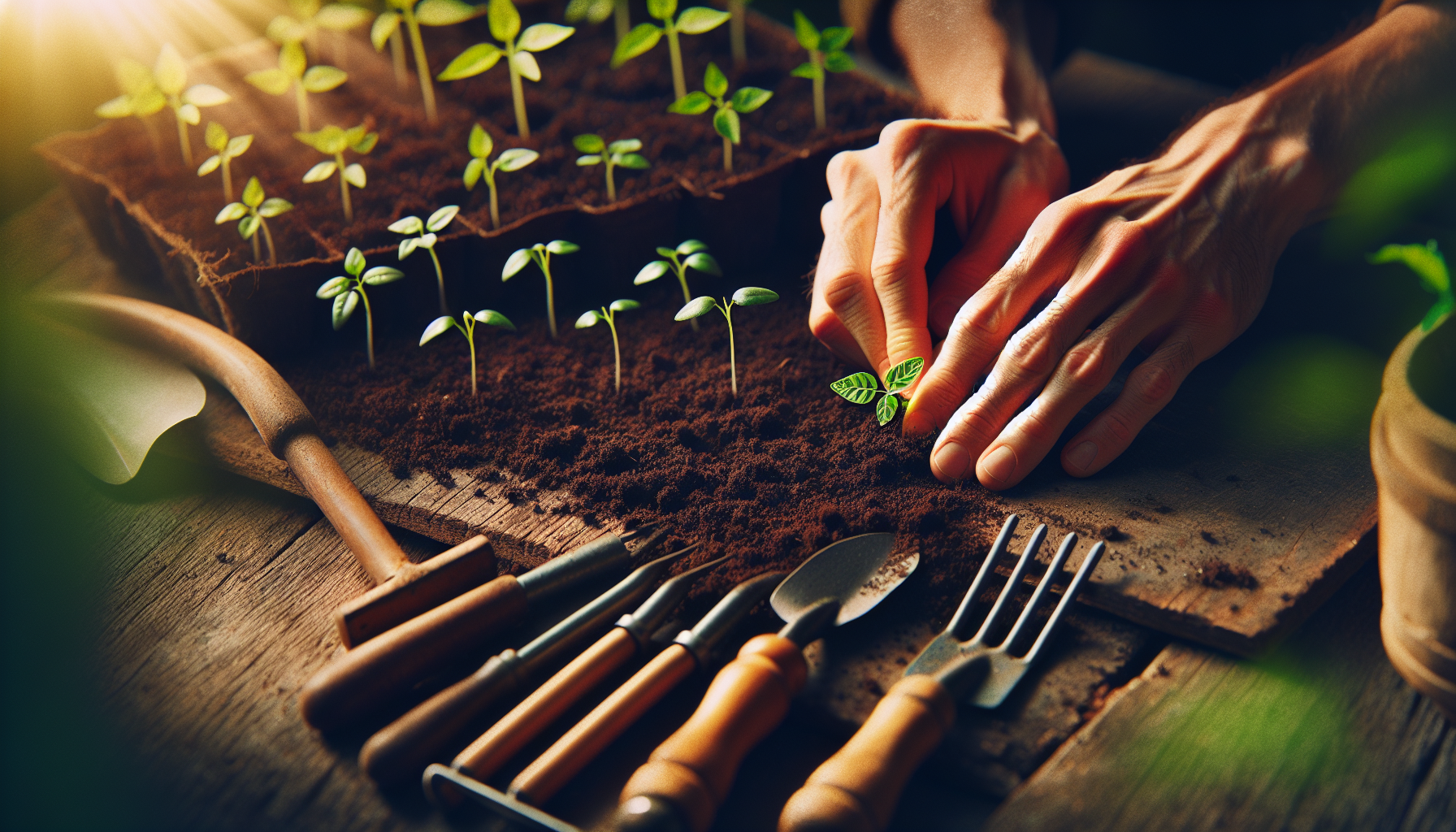
Indoor plants are like house guests that need constant care. Water, soil, love—and most importantly—light. But what happens when sunlight is scarce or your apartment barely gets a glow? That’s where grow lights step in like artificial sunshine, saving your leafy friends from slow, sad growth.
Why Indoor Plants Need Grow Lights
Plants rely on light for photosynthesis. Without enough light, they stretch, weaken, or stop growing altogether. Grow lights fill that gap, especially during winter, in dark rooms, or in apartments with limited windows.
How Grow Lights Mimic Sunlight
Good grow lights replicate the natural light spectrum of the sun. They provide blue light for leafy growth and red light for flowering and fruiting. Think of them as a carefully cooked meal instead of fast food—balanced and nourishing.
Types of Grow Lights Explained
LED Grow Lights
LED grow lights are the modern favorite. They’re energy-efficient, long-lasting, and powerful without overheating.
Pros and Cons of LED Grow Lights
Pros
- Low energy consumption
- Full-spectrum lighting
- Minimal heat output
- Long lifespan
Cons
- Higher upfront cost
Fluorescent Grow Lights
These are perfect for beginners and small plants like herbs and seedlings. They’re affordable but not ideal for large or flowering plants.
HID Grow Lights (HPS & MH)
High-Intensity Discharge lights are powerful but hot and energy-hungry. They’re mostly used by professionals or large-scale growers.
How to Choose the Best Grow Light
Light Spectrum Explained
Full-spectrum lights are the best choice. They mimic natural sunlight and support plants at every growth stage—from seedling to harvest.
Wattage and Coverage Area
Higher wattage doesn’t always mean better. What matters is how much area the light covers and how efficiently it delivers light to your plants.
Energy Efficiency and Heat Output
Low heat means less stress on plants and lower electricity bills. LEDs win this round easily.
Size, Setup, and Budget Considerations
Before buying, ask yourself:
- How much space do I have?
- How many plants?
- What’s my budget?
Buying the wrong size is like wearing shoes that don’t fit—painful and ineffective.
10 Best Grow Lights for Indoor Plants
1. Spider Farmer SF-1000 LED Grow Light
This light is a beast in a compact body. It delivers powerful full-spectrum lighting with Samsung LEDs.
Best for: Small to medium grow tents
Why it stands out: High efficiency and silent operation
2. Mars Hydro TS 1000
A favorite among indoor gardeners. It provides even light distribution and excellent penetration.
Best for: Vegetables and flowering plants
Bonus: Dimmable feature
3. Viparspectra XS1000
Affordable yet powerful, this light is perfect for growers on a budget who don’t want to compromise quality.
Best for: Beginners
Highlight: Mean Well driver for stability
4. GE BR30 Full Spectrum LED Grow Light
Looks like a regular bulb but works like magic for houseplants.
Best for: Decorative indoor plants
Why it’s great: Fits standard sockets
5. Roleadro LED Grow Light Panel
A solid option with dual-chip LEDs that boost brightness and coverage.
Best for: Leafy greens
Strength: Strong light penetration
6. Phlizon PL-Series Grow Light
This is for serious growers. It covers large areas and supports all growth stages.
Best for: Large grow rooms
Watch out: Needs proper ventilation
7. Bloom Plus BP-1000
Simple, sleek, and effective. It offers excellent value for money.
Best for: Herbs and vegetables
Why people love it: Quiet and efficient
8. Ankace 1500W LED Grow Light
High power with adjustable spectrum control.
Best for: Flowering plants
Cool feature: UV and IR lighting
9. GooingTop LED Grow Light (Clip-On)
Perfect for desks, shelves, and small spaces.
Best for: Succulents and desk plants
Convenience: Flexible gooseneck
10. Sansi 36W LED Grow Light Bulb
Simple bulb, powerful results.
Best for: Single plants
Why it works: Ceramic heat dissipation
Grow Light Setup Tips for Best Results
Correct Hanging Distance
Too close burns plants. Too far starves them. Follow manufacturer guidelines and adjust as plants grow.
Daily Light Schedule
Most plants need 12–16 hours of light daily. Use a timer to stay consistent—plants love routine.
Avoiding Common Grow Light Mistakes
- Don’t overlight
- Don’t ignore heat
- Don’t forget airflow
A grow light without ventilation is like a gym without water—dangerous.
Conclusion
Choosing the right grow light can completely transform your indoor garden. Whether you’re growing herbs in your kitchen, vegetables in a tent, or keeping houseplants alive year-round, the right light makes all the difference. The 10 best grow lights for indoor plants listed above cover every need and budget. Pick wisely, set it up correctly, and watch your plants thrive like never before.
Frequently Asked Questions
FAQ 1: Can grow lights replace sunlight completely?
Yes, high-quality full-spectrum grow lights can fully replace natural sunlight for indoor plants.
FAQ 2: How long should grow lights be on each day?
Most plants need 12–16 hours of light daily, depending on their growth stage.
FAQ 3: Are LED grow lights safe for home use?
Absolutely. They produce minimal heat and are energy-efficient.
FAQ 4: Do grow lights increase electricity bills?
LED grow lights are very efficient and add only a small cost compared to traditional lighting.
FAQ 5: Can I use regular LED bulbs as grow lights?
Only if they are full-spectrum. Regular LEDs lack the necessary light spectrum for plant growth.